
Blog — 18 July 2026
HISTORY'S FORGOTTEN
HEROINES
Lily Mernin
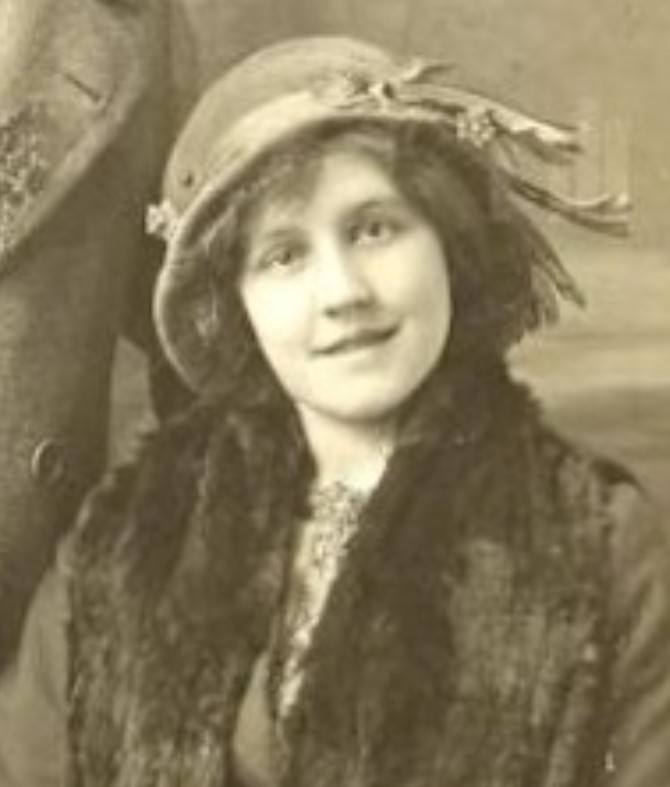
Lily Mernin
Lily Mernin was the second figure in my series History's Forgotten Heroines, and in many ways she is the most quietly astonishing. A competent, self-effacing shorthand typist, Lily never carried a gun, never made a public speech, and never appeared on a recruitment poster. Yet she became the single most productive spy in Michael Collins' intelligence network during the Irish revolutionary period — a woman whose calm professionalism helped dismantle the British security machine from the inside.
Born in Dublin in 1886, Lily moved back to the city in 1914 in search of better employment. She secured work as a typist in Dublin Castle, the administrative and intelligence heart of British rule in Ireland. It was a job that seemed modest, even dull, but it placed her at the centre of the Empire's military bureaucracy. Lily typed court-martial proceedings, troop movement orders, intelligence summaries, and internal memoranda, providing a seam of priceless information to Collins, whom she met in 1918, introduced by her cousin, the writer and revolutionary Piaras Béaslaí. Collins asked whether she might be willing to pass on anything "interesting" she encountered. Lily agreed without drama or bravado. From that moment, she became Collins' most trusted source, operating under the gender-disguising codename "The Little Gentleman." Known only to Collins and Béaslaí, the rest of the IRA leadership assumed "he" was a high-ranking British officer.
Working with meticulous care, Lily produced carbon copies of sensitive documents and slipped them out through a network of safe houses and dead drops. She typed reports for Collins at 19 Clonliffe Road — she never knew who picked up her reports, nor did they ever learn who left them.
Her most significant contribution was to provide the names and addresses of the Cairo Gang, a team of assassins recruited from the Foreign Office by Ormonde de l'Épée Winter, Head of British Intelligence in Ireland. During October 1920, this gang eliminated over 30 leading Sinn Féiners. The breakthrough came when a drunken Lieutenant Angliss, posing as a travelling salesman called McMahon, confided his role to a friend of Lily Mernin. Lily provided names and addresses which led to 13 of the Cairo Gang being killed on Bloody Sunday, November 1920.
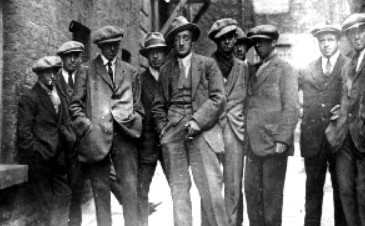
Lily also attended dances and whist drives to identify auxiliaries and agents. Despite taking huge personal risk, the British did not suspect her until too late: she was dismissed after the Truce in 1922.
After Independence, she spent three decades working as a typist for the Irish Army. She died in 1957, still largely unknown to the public she had helped to free. It was said of her:
"She slipped through British Intelligence like a shadow."
Sadly, her subsequent life also played out in the shadows. She lies in an unmarked grave in a common Dublin cemetery — no Glasnevin for her. The Irish government awarded her a two-year pension at the lowest rank — scant reward for a remarkable contribution.
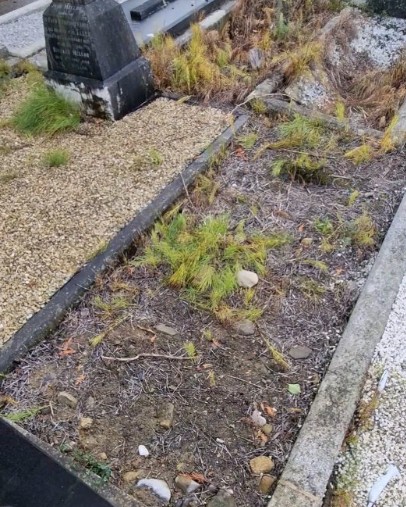
Lily — welcome to History's Forgotten Heroines.